- Artemis Hospital, Sector 51 , Gurugram, Haryana
- Aryavart Hospital, 58 NH, Near Tioll Plaza, Meerut, UP
- Call: +91- 8851197558
- Mon to Sat: 8 am to 8 pm

I enjoy getting to know my patients and building meaningful relationships
Online appointment process makes it easy for you to book for any one of our services.
Pleural Diseases
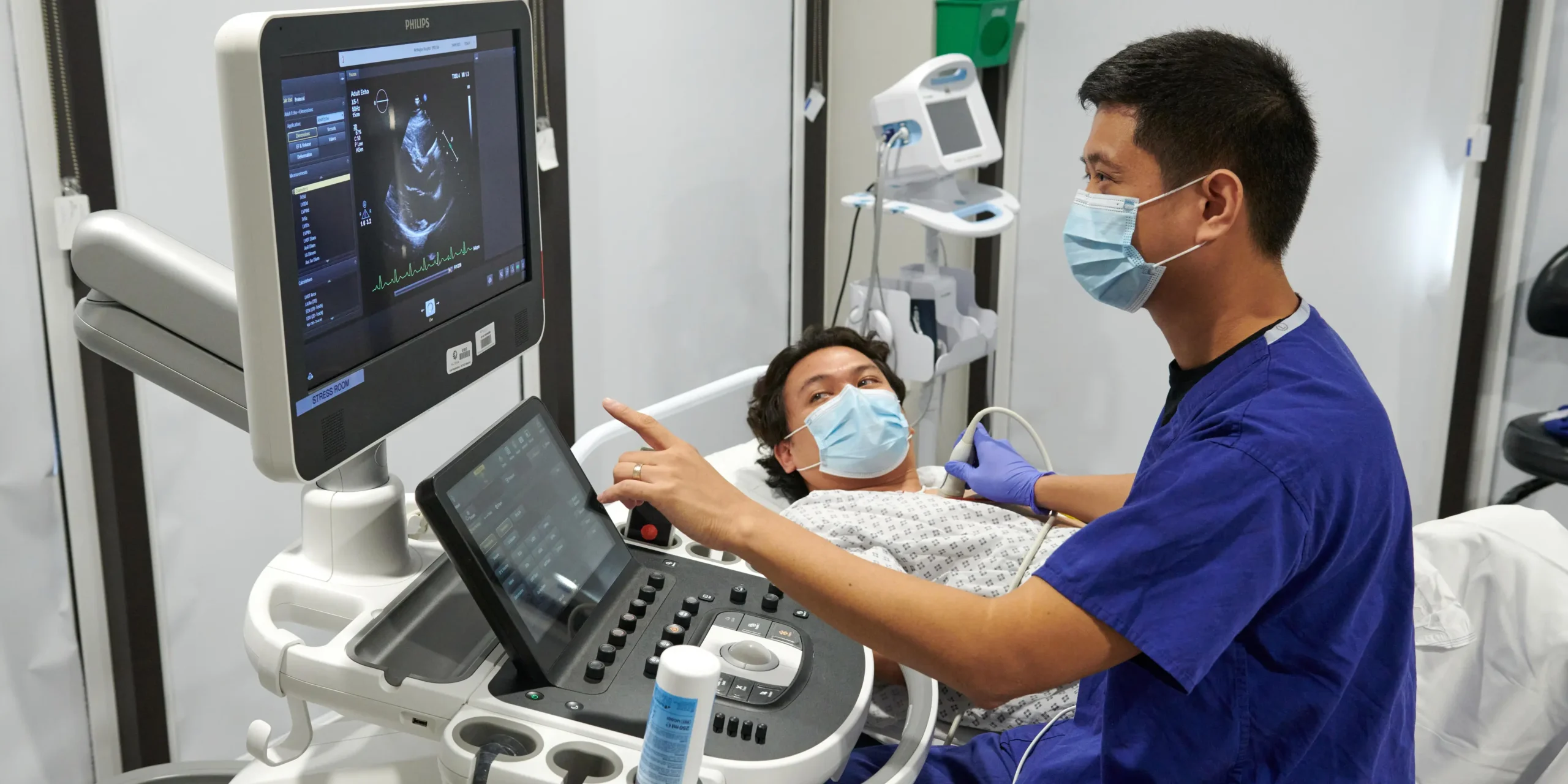
What is Pleural Disease?
Pleural diseases refer to a group of conditions that affect the pleura — the thin layers of tissue surrounding the lungs and lining the chest cavity. These conditions can interfere with normal breathing and may significantly impact overall respiratory health if left untreated.
Dr. Vivek Kumar specialises in the diagnosis and management of pleural diseases, offering comprehensive evaluation, advanced treatment options, and personalised care tailored to each patient’s condition. Early diagnosis and timely intervention play a vital role in improving lung function, relieving symptoms, and preventing complications.
Types of Pleural Diseases
Common Types of Pleural Diseases
- Pleural Effusion: A condition where excess fluid accumulates between the pleural layers surrounding the lungs. It may occur due to heart failure, infections, tuberculosis, liver disease, or malignancy. Common symptoms include chest pain, shortness of breath, and persistent cough.
- Pneumothorax: Also known as a collapsed lung, this occurs when air enters the pleural space, causing partial or complete lung collapse. It may result from injury, certain medical procedures, or underlying lung diseases. Sudden chest pain and breathing difficulty are common symptoms.
- Pleural Thickening: Thickening and scarring of the pleura, often associated with chronic inflammation, infections, or asbestos exposure. This condition can restrict normal lung expansion and lead to breathlessness.
- Mesothelioma: A rare and aggressive cancer affecting the pleura, commonly linked to long-term asbestos exposure. Symptoms may include chest pain, unexplained weight loss, persistent cough, and difficulty breathing.
Early diagnosis and specialist care are important for managing pleural diseases effectively and preventing complications.
Symptoms of Pleural Disease
Common symptoms of pleural diseases may vary depending on the underlying condition, but often include:
- Persistent chest pain or discomfort
- Chronic or ongoing cough
- Shortness of breath
- Unexplained weight loss
- Fatigue and general weakness
- Fever, especially in cases related to infection or inflammation
If these symptoms persist or worsen over time, timely medical evaluation is important for accurate diagnosis and appropriate treatment.
Diagnosis and Treatment
Diagnosis of Pleural Diseases
- Physical Examination: A detailed assessment of symptoms, medical history, and respiratory function to identify possible pleural abnormalities.
- Imaging Tests: Chest X-rays, CT scans, and ultrasound imaging are used to evaluate the pleura, detect fluid accumulation, inflammation, lung collapse, or other structural abnormalities.
- Pleural Fluid Analysis: A sample of pleural fluid may be collected and analysed to identify infections, inflammation, tuberculosis, or malignancy causing pleural effusion.
- Biopsy: In cases where cancer or serious pleural disease is suspected, a pleural biopsy may be performed to confirm the diagnosis and guide treatment planning.
Accurate diagnosis is essential for determining the underlying cause and selecting the most effective treatment approach.
Treatment
Treatment Options for Pleural Diseases
- Thoracentesis: A procedure used to remove excess fluid from the pleural space to relieve breathing difficulty and analyse the fluid for accurate diagnosis.
- Chest Tube Insertion: In cases of pneumothorax or recurrent pleural effusion, a chest tube may be inserted to continuously drain air or fluid from around the lungs.
- Medications: Treatment may include antibiotics for infections, anti-inflammatory medications, pain management, or chemotherapy and targeted therapy for malignant pleural conditions.
- Surgical Management: In advanced or recurrent cases, surgical procedures such as pleurodesis (sealing the pleural space) or pleurectomy (partial removal of the pleura) may be recommended.
Timely treatment and specialist care are essential for relieving symptoms, improving lung function, and preventing complications associated with pleural diseases.